The post-partum period is a pivotal time for every new mother. While the birth of a child is often seen as a time of intense joy, the post-partum period can be full of challenges, upheavals and readjustments. With physical pain, hormonal changes, intense fatigue and conflicting emotions, it's essential to understand this period in order to live it better. This article explores what the post-partum period is, what it involves, how to prepare for it and how to get through it with kindness and serenity.
1. Definition and duration of the post-partum period
Postpartum is the period immediately following childbirth, lasting an average of six to eight weeks. It is a transitional phase in which the mother's body and mind readjust to the new reality of motherhood. Although the length of this phase may vary from one woman to another, it is generally during the first six weeks that most of the changes take place. However, certain physical transformations, such as the complete recovery of the uterus or hormonal stabilisation, can last several months.
2. Post-delivery pain and complications
After giving birth, it is common to experience post-partum pain. This pain varies according to the type of birth. For those who have had a vaginal birth, the pain may be related to the episiotomy, vaginal tears or contractions of the uterus as it regains its shape. Mothers who have had a caesarean section will experience pain around the scar. This pain is normal, but it is important to consult a health professional if there are complications, such as infections or persistent pain.
It is also possible to experience post-partum complications such as urinary or intestinal problems, or sleep disorders. At such times, you should not hesitate to ask for help, whether from your doctor, a midwife or support groups. These complications, although common, need to be treated.
3. Emotional psychological changes
Post-partum is not just a period of physical healing. It's also a time of psychological upheaval. Many mothers find themselves confronted with contradictory emotions: joy, fatigue, anxiety, stress, or even post-partum depression. This depression affects around 1 in 7 women, and is often exacerbated by fatigue, new responsibilities and social pressure. The baby blues, on the other hand, are a form of temporary sadness linked to hormonal changes that occur in the days following the birth.
Fatigue, resulting from sleepless nights and intense first weeks, is also a factor that can affect emotional balance. Anxiety about not being up to the task, or not being able to manage this new life, can also arise. So it's important to talk openly about your emotions and ask for support.
4. Accepting your new body
The post-partum period is also a time when a mother's body changes. Many women feel disconnected from their bodies, especially if there are scars, stretch marks or weight changes. Accepting these changes is a difficult but essential step. You have to understand that the female body is incredible and that it has done an extraordinary job in giving birth. Accepting your new body, with all its imperfections and changes, is a process that takes time. It's important not to judge yourself and to accept that the same body that carried your baby deserves to be loved and cherished.
5. Managing the post-partum period: practical advice
Here are a few tips to help you get through this period more calmly:
- Listen to yourself: Take time to rest, even if it seems difficult with a baby who demands a lot of attention. Sleep is essential for recovery.
- Ask for help: Postpartum is a time when it's vital not to let yourself be overwhelmed. Whether you need help with household chores, moments of respite or emotional support, don't be afraid to ask for help. The support of your partner, family or midwife is crucial.
- Take care of your mental health: If you're feeling sad, stressed or anxious, it's normal to ask for help. Post-partum depression should not be overlooked and should be treated by a professional.
- Take time for yourself: It's not selfish to take a moment for yourself, even if it's just for a cup of tea or a walk. This will allow you to recharge your batteries and take better care of your baby.
- Share your emotions: Don't be afraid to talk about your difficulties, fears and moments of doubt. Dialogue is the key to getting through this difficult time.
6. The post-partum period: a time of transformation
The post-partum period is a time of metamorphosis for every mother, a time of readjustment, challenges and self-discovery. It's essential not to judge yourself and to understand that every mother experiences this stage differently. The most important thing is to take care of yourself, seek support and know that the difficulties are temporary. You're an incredible mum, and it's normal to go through ups and downs. Give yourself time and space to adjust to this new life.
Remember, you're not alone in this adventure, and there are resources to support you throughout this period. With patience and love, you'll gradually regain your balance and enjoy every moment with your little bundle of joy.
Here are a few things you might find helpful:
- 3919: A national helpline for women experiencing psychological, physical or emotional difficulties after giving birth. (Available 24/7, anonymous and free of charge).
- La Leche League: This association offers breastfeeding support and advice tailored to each mother, with support groups throughout France (www.lllfrance.org).
- Maman Blues: A network of help and support for women suffering from post-partum depression, with online resources and discussion groups (www.mamanblues.com).
- Paediatricians and psychologists: If you need help, don't hesitate to consult professionals to support you in your physical and emotional recovery.
It's important to remember that it's normal to feel overwhelmed, but there are many resources available to support you through this period of transition. Don't be alone in the face of these challenges, and don't hesitate to ask for help. You have every right to take care of yourself so that you can fully enjoy every moment with your baby.
Post-partum with Le Biberon Français: simplicity and peace of mind
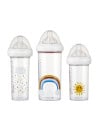
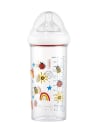
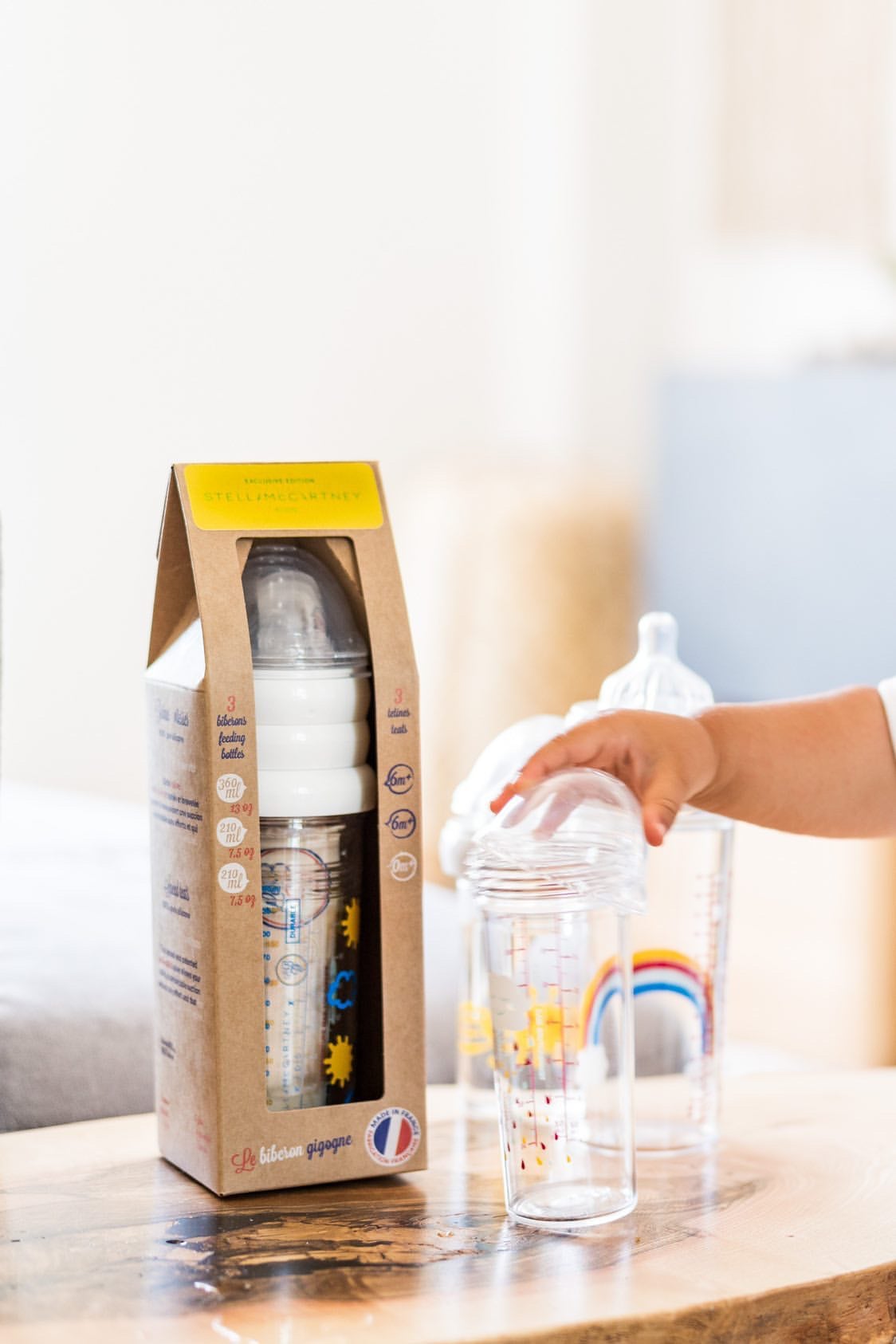
The post-partum period is a time of upheaval, but also of precious moments with your baby. At Le Biberon Français, we create healthy, safe and easy-to-use products to simplify this stage.
Contrary to popular belief, our bottles and teats do not need to be sterilised systematically. Careful washing is all that's needed, although occasional sterilisation is still an option.
Our feeding bottles can be adapted to your needs, whether you're breast-feeding or using a bottle from birth. With bisphenol-free materials and a practical design, we can help you get through this period with peace of mind. You can count on us every step of the way.