The arrival of a newborn in the family is a moment of immeasurable joy and happiness. For parents, it is also the beginning of an exciting journey, punctuated by discoveries and responsibilities. One of the most crucial aspects is feeding your little one: this is where breastfeeding comes in.
Breastfeeding is an exceptional experience, a unique bond between a mother and her baby, and a natural way to meet the child's nutritional needs. But what about breastfeeding on demand? How does it work? Why is it so important for your baby's development?
At Biberon Français, we are deeply committed to the well-being of babies and their parents. We believe that every little gesture counts in the healthy development of your child. So, let's dive into the world of breastfeeding on demand and discover how it can become a fulfilling experience for you and your baby.
Understanding Breastfeeding on Demand
Breastfeeding on demand is more than just a method of infant feeding. It is an approach focused on your baby's needs that aims to respond instinctively and immediately to his hunger.
What is breastfeeding on demand?
Breastfeeding on demand, as the name suggests, involves feeding your baby whenever he or she expresses the need. Unlike a set schedule, there is no set regularity in this method. Your baby guides the process by signaling his or her hunger through cues such as sucking, head movements, or even crying.
As many benefits for baby as for mom
This approach has many benefits for your baby's well-being: it ensures nutrition adapted to their constantly changing needs. Baby can thus receive the quantity of milk necessary for their growth, promoting healthy development. In addition to this, breastfeeding on demand strengthens the emotional bond between mother and child, providing many opportunities for closeness and skin-to-skin contact.
For the mother, breastfeeding on demand stimulates milk production according to the child's real needs, which can notably facilitate breastfeeding. In addition, it can reduce the risk of breast congestion and engorgement, which contributes to maternal well-being.
Common Myths About Breastfeeding on Demand
Despite its many benefits, breastfeeding on demand is sometimes surrounded by prejudice. Common misconceptions include the fear that this method will create irregular eating habits in the baby - on the contrary, breastfeeding on demand allows the child to naturally regulate his consumption and learn to recognize satiety signals.
Infant nutritional needs
What are the specific nutritional needs of infants and how can this method optimally meet these needs?
Breast milk and nutritional needs
As you might expect, babies are growing and developing rapidly during their first months of life. Their digestive system, metabolism, and immune system are all evolving! This means they have specific nutritional needs that differ from those of older children and adults.
Breast milk is designed by nature to optimally meet the specific needs of the infant. It is rich in nutrients, antibodies, and provides important immune protection, reducing the risk of infections and illnesses in the infant.
Quantity and frequency of feedings
Babies have relatively small stomachs, which means they need to eat frequently to stay nourished and hydrated. Breastfeeding on demand fits this bill perfectly, as it allows your baby to nurse whenever they are hungry. There is no strict schedule to follow, which means your baby can eat whenever they want, even if it is for short feedings.
The frequency of feedings varies from baby to baby, but is often more frequent in the first few weeks of life. Moms who practice breastfeeding on demand naturally adapt to their baby's cues, which helps ensure that your baby gets the amount of milk they need for their growth.
Bottles in the context of breastfeeding on demand
When we talk about breastfeeding on demand, we usually think of the breast as the exclusive source of food for the baby. However, it is important to recognize that bottles can also play a crucial role in the context of this feeding method.
Baby bottles as supplements or alternatives
While breastfeeding is the ideal source of nutrition for an infant, bottle feeding works just as well. In particular, bottles can be a convenient alternative to feeding your baby while still following the principles of on-demand breastfeeding.
Bottles offer valuable flexibility, allowing mothers to share feeding responsibilities with other family members or return to work while ensuring that their baby receives adequate nutrition. Additionally, they can be a valuable option when exclusive breastfeeding is not possible.


A wise choice to ensure continuity
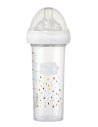
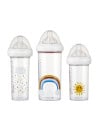
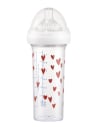
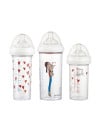
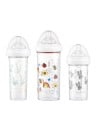
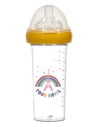
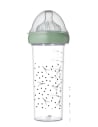
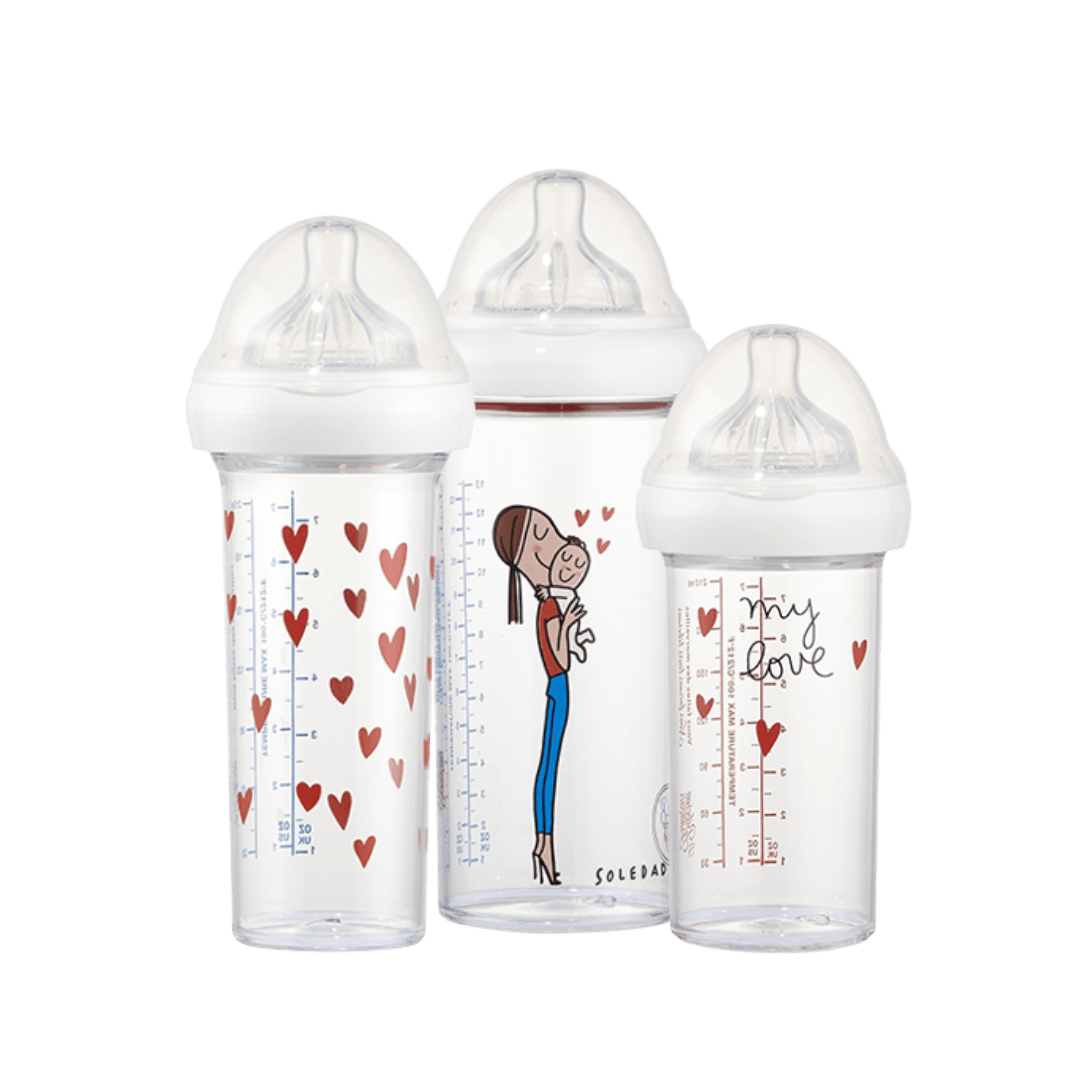
When choosing bottles for your baby in the context of breastfeeding on demand, it is essential to select quality products that best reproduce the experience of sucking at the breast. Bottles designed to imitate the shape and natural movement of breastfeeding are particularly suitable.
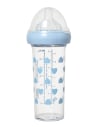
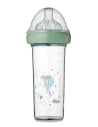
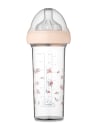
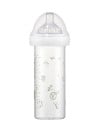
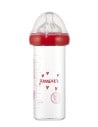
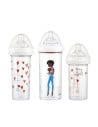
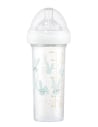
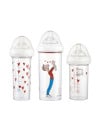
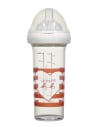
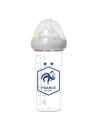
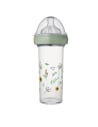
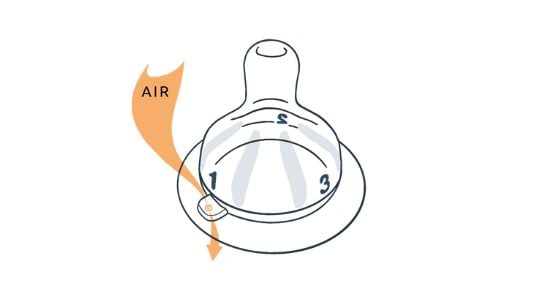
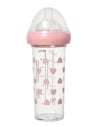
At Biberon Français, our bottles are specially designed to promote natural sucking, thus minimizing the baby's confusion between the mother's breast and the bottle. Our teats are flexible and have 3 flow rates, which allows you to adapt the speed to baby.
But above all, our bottles do not absorb the odor or color of food and do not release any micro-particles of plastic into baby's milk, even when heated. If you are interested in the unique characteristics of the material we use (and we are the only ones), you can head to this article:Why the Copolyester bottle is THE best alternative for you and baby
Practicing Breastfeeding on Demand Successfully
Tips for moms on how to set up
The importance of listening to your baby’s hunger cues: Breastfeeding on demand is all about understanding your baby’s signals. Pay attention to head movements, hand sucking, crying, and any other signs that your baby is hungry.
Feed according to need, not by the clock: Avoid setting a strict schedule for feedings. Instead, follow your baby’s rhythm. This may mean feeding more frequently at first, then longer gaps between feedings as your baby grows.
Keep a feeding diary: Keeping a feeding diary can help you track your baby’s eating habits, especially during the early weeks! It can also be helpful when you visit a healthcare professional to monitor your child’s growth.
The importance of flexibility
Breastfeeding on demand is a flexible feeding method; some mothers choose to breastfeed exclusively, while others incorporate bottles based on their family's needs. Whatever your approach, the key is to meet your baby's individual needs while ensuring their well-being!