When you become a parent, one of your biggest concerns becomes the well-being of your newborn baby. Colic - baby's bouts of inconsolable crying and abdominal pain - is one of the most exhausting and confusing experiences for families. But rest assured, there are ways to soothe the pain and put a smile back on your toddler's face.

In this article, we'll guide you through one of the most crucial aspects of colic prevention: choosing the right bottle. Find out how choosing the perfect bottle can make all the difference to your baby's peace of mind and your own peace of mind.

What is colic and why is it a problem?

How can I tell if my baby is colicky?

Colic in babies is a mystery that has plagued parents for generations! You can recognise colic in babies because it appears in the form of inconsolable crying that can last for several hours a day, and generally occurs in babies aged between two and three weeks.

There are several symptoms that you can recognise:

- Excessive crying

- Shrill cries

- Restlessness

- Tight stitches

- Legs bent over the stomach

Colic generally occurs in the late afternoon or evening.

What are the consequences of colic?

Colic causes emotional stress... for you, but also and especially for baby! It can have a negative impact on his well-being. Baby suffers and cries so much that prolonged crying can cause him distress, disrupting his sleep and his ability to feed properly, which could lead to minor growth problems.

A veritable vicious circle of fatigue and anxiety...

Now that we've defined this common problem, let's explore how choosing the right bottle can make a significant contribution to preventing colic and improving your baby's well-being.

Bottles and colic: a crucial link

We all know that every time your baby cries, you're filled with worry. You wonder what's wrong, how to ease his discomfort, whether he'll finally be able to sleep peacefully at night...

One of the first changes you can make is the choice of bottle. Colic is often associated with excessive air intake during feeding, which causes abdominal pain in babies. That's why the bottle you choose can make all the difference!

Choosing an anti-colic feeding bottle

Il existe sur le marché une variété de biberons spécialement conçus pour réduire au maximum les risques de coliques. Ces biberons sont munis de caractéristiques innovantes visant à minimiser l'entrée d'air lors de l'alimentation.

Il existe plusieurs système anti-coliques (au niveau du biberon ou bien directement sur la tétine du biberon). Veillez à ce que ces systèmes soient brevetés et performants. Ces systèmes anti-coliques ont tous un seul but : empêcher l'accumulation d'air dans le biberon et réduire ainsi les risques de coliques.

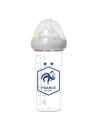
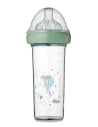
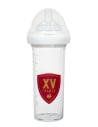
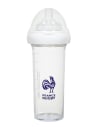
The French feeding bottle: healthy, non-toxic and anti-colic

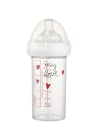
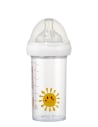
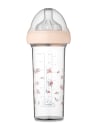
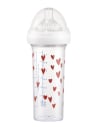
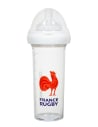
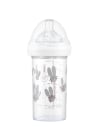
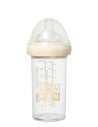
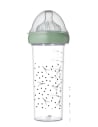
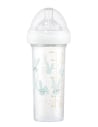
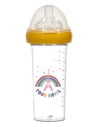
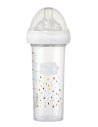
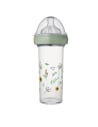
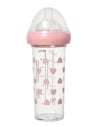
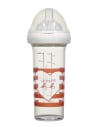
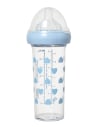
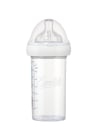
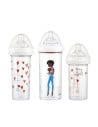
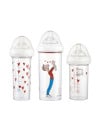
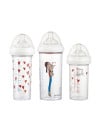
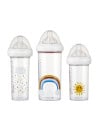
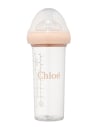
Le Biberon Français has been entirely designed with baby's health in mind: the material we use, Copolyester, is an inert material that does not release plastic micro-particles into baby's milk, even when shaken or heated! Our feeding bottles contain no bisphenol: no BPA (in accordance with current regulations) and no BPB, BPF, BPS...

We are the only ones to use this material, which is very expensive on the market. But the search for the lowest price has never been our priority. The health of the children who will use our products is!

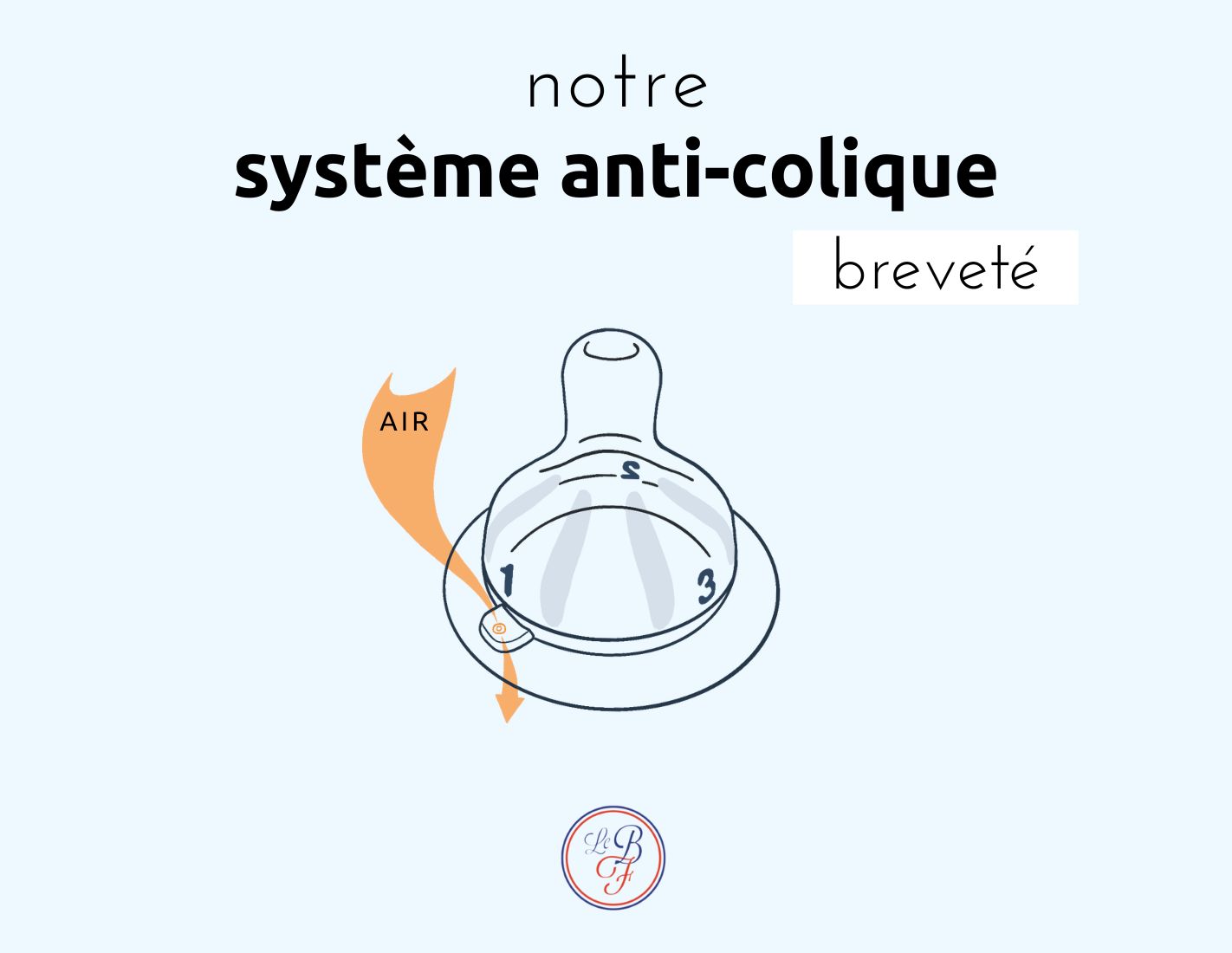
Each of our teats has a patented, high-performance anti-colic system. We've also added anti-collapse ridges. So your baby benefits from maximum comfort thanks to the teat's ultra-flexibility, while reducing the risk of it being crushed, and above all the risk of colic!

The anti-colic valve allows air to be pumped back into the bottle to make sucking easier (the little bubbles rising to the surface of the liquid indicate that air has been pumped in). With our feeding bottles, you eliminate the risks of reflux and colic that would otherwise be caused by using a feeding bottle.

A few tips to prevent colic using a feeding bottle

Choosing a feeding bottle is an important decision, but using it also deserves your full attention! There are a few tricks you can think about and possibly put in place to avoid any risk of colic when feeding baby.

The art of tilting: When feeding your baby, make sure you keep the bottle tilted so that the teat is always full of milk. This will reduce air intake!

Prepare to feed: Before you start feeding your baby, make sure everything is ready. This includes preparing the milk or formula at the right temperature, the bottle well cleaned and disinfected, and a calm environment for feeding. Babies can feel parents' stress, so stay relaxed as much as possible.

Avoid frequent interruptions: When you start feeding your baby, try to minimise frequent interruptions. Interruptions can cause extra air to be swallowed. Try to maintain a steady rhythm during feeding.

Try different positions: Your baby's position during feeding can also have an impact on colic. Try different positions, such as holding your baby more upright, to reduce air intake.

Avoid shaking the bottle: Shaking the bottle to mix the milk can introduce air. Instead, use a gentle mixing technique by rolling the bottle between your hands.

Follow your baby's cues: Learn to recognise your baby's cues when feeding. If he shows signs of satiety, stop feeding to avoid overeating, which can lead to digestive problems.

Product added to wishlist